Human-Centered CI/CD Workflow
A guide of a tool-agnostic CI/CD framework for secure, scalable software delivery.
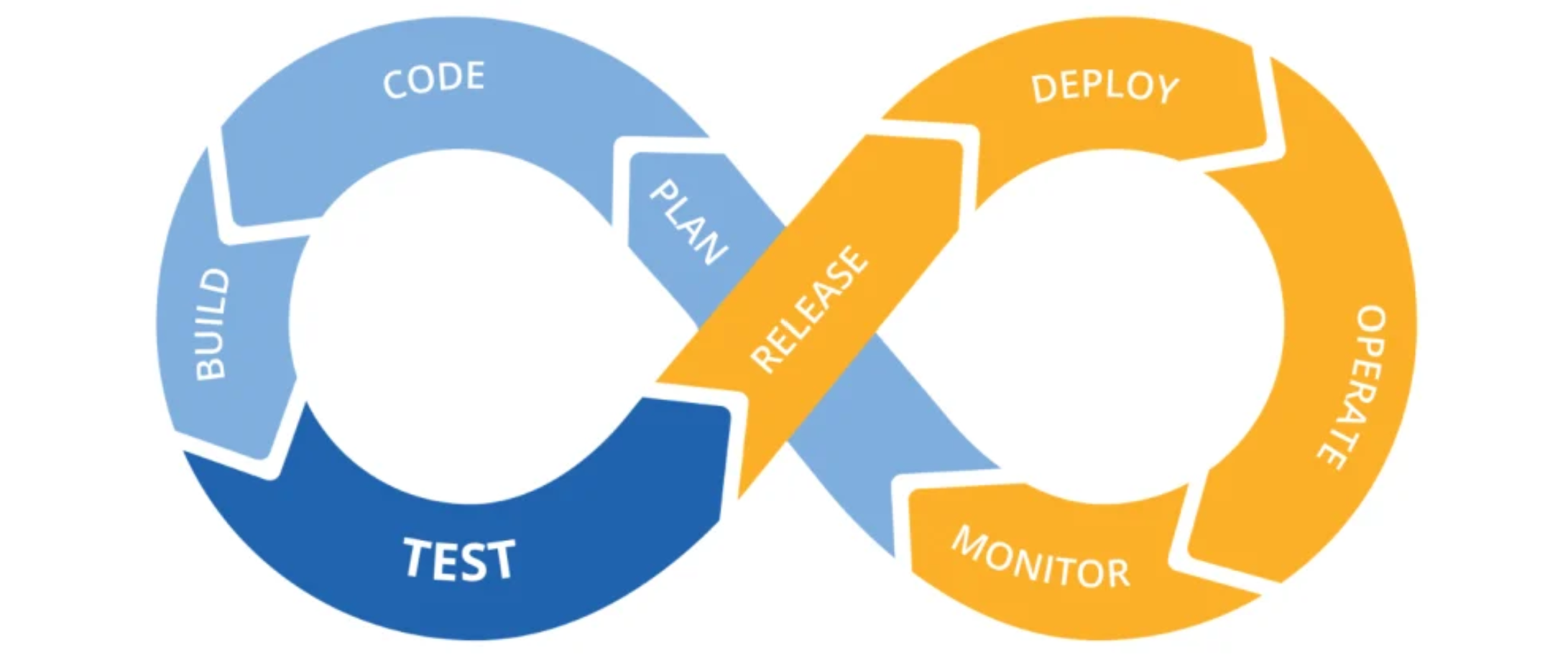
Why Teams Adopt CI/CD (and Why They Abandon It)
| What Teams Say They Want | What They Actually Experience |
|---|---|
| “Faster releases” | ❌ Endless gate debates |
| “Secure by default” | ❌ Last-minute security fire drills |
| “Confident deployments” | ❌ “Who broke production?” blame cycles |
Truth: CI/CD fails when designed for machines, not humans.
This framework rebuilds the workflow around cognitive load, psychological safety, and shared ownership.
The 6-Stage Learning Loop
flowchart LR
    A[Commit] --> B[Build]
    B --> C{Gate}
    C -->|Approved| D[Deploy]
    C -->|Needs Fix| A
    D --> E[Verify]
    E --> F[Learn]
    F --> A
    linkStyle 2 stroke:#10b981,stroke-width:2.5px
    linkStyle 3 stroke:#f59e0b,stroke-width:2px
    classDef stage fill:#f8fafc,stroke:#334155,stroke-width:1.5px
    classDef gate fill:#dbeafe,stroke:#3b82f6,stroke-width:2.5px
    class A,B,D,E,F stage
    class C gate
🔍 Designed for human cognition:
- 🟢 Green path = Forward momentum (psychological reward)
- 🟠 Amber path = Safe correction loop (no shame cycle)
- 🔵 Blue gate = Collaborative decision point (not a bottleneck)
- 🔁 Circular flow = Learning is continuous (not “done after deploy”)
Three Non-Negotiable Principles
| Principle | Human Impact | Anti-Pattern Avoided |
|---|---|---|
| Security walks beside you | “I see risks while coding—not after” | Security as final gatekeeper |
| Feedback arrives in <5 minutes | Context stays fresh; no task-switching tax | “Why did this fail?” mystery emails |
| One artifact, one truth | “This exact binary reached users” confidence | “Works on my machine” disputes |
Stage-by-Stage: Purpose Over Process
🔒 Stage 1: Commit Validation
Where safety begins—not where speed ends
- Purpose: Catch preventable issues before build resources consume attention
- Critical actions:
- Verify commit signature (authorized contributor)
- Scan dependency licenses (block GPL in proprietary projects)
- Concept example: Snyk’s methodology—flag vulnerable dependencies at commit
- Pass criteria: Zero critical license conflicts; signed commit
- Human signal: ✅ “Safe to invest build time”
🏗️ Stage 2: Build & Early Validation
Create one trusted artifact—once
- Purpose: Establish immutable truth for all downstream stages
- Critical actions:
- Generate cryptographically signed artifact
- Embed security validation (SAST/SCA concepts)
- Record build metadata (who, when, dependencies)
- Pass criteria: Artifact signed; critical flaws = fail
- Human signal: 🔐 “This binary is our single source of truth”
⚖️ Stage 3: Progressive Promotion Gate
Collaborative risk decision—not a blockade
- Purpose: Apply risk-appropriate rigor (not one-size-fits-all)
- Critical actions:
- Evaluate against policy:
Critical CVE→ BlockMedium CVE→ Track + notifyLow risk→ Proceed
- Optional: Compliance hold (e.g., SOC2 manual approval)
- Evaluate against policy:
- Pass criteria: Policy thresholds met; approvals secured
- Human signal: 🤝 “We collectively own this risk decision”
🚀 Stage 4: Environment-Agnostic Deployment
Release with confidence, not anxiety
- Purpose: Eliminate environment-specific surprises
- Critical actions:
- Inject environment config after build (secrets never in artifact)
- Execute deployment strategy per policy (blue/green/canary)
- Verify rollback readiness
- Pass criteria: Deployment strategy confirmed; rollback path validated
- Human signal: 🔄 “I can safely revert in <60 seconds”
👁️ Stage 5: Runtime Verification
Confirm reality matches expectation
- Purpose: Validate production behavior—not just deployment success
- Critical actions:
- Check health endpoints
- Scan for leaked secrets/config drift
- Validate security posture (WAF rules, auth flows)
- Pass criteria: All health checks green; zero critical anomalies
- Human signal: 🌐 “Production is behaving as intended”
📈 Stage 6: Observability Loop
Turn data into collective wisdom
- Purpose: Close the learning cycle
- Critical actions:
- Feed failure patterns to development team
- Update security policies automatically
- Measure DORA metrics (deployment frequency, failure rate)
- Human signal: 🌱 “We improved because of this cycle”
Adapting Rigor to Project Risk (No Over-Engineering)
| Project Type | Gate Strictness | Manual Approval? | Feedback Speed |
|---|---|---|---|
| Internal tool | Block only critical | ❌ Never | <2 min |
| Customer-facing app | Track medium risks | ⚠️ Optional | <5 min |
| Regulated system (fintech/health) | Block medium+ | ✅ Required | <10 min |
Key insight: Rigor scales with business impact—not technical complexity.
Honor the difference between a payroll system and an internal dashboard.
Why This Framework Endures
- ✨ Tool-agnostic: Describes what happens—not which button to click
- 🌱 Psychologically safe: “Fix” loops = learning opportunities, not failures
- 📏 Measurable: Track cycle time, failure rate, MTTR
- 🤝 Human-first: Designed for how teams actually work
“Automation without empathy creates friction.
This workflow makes security a teammate.”
— Synthesized from OWASP DevSecOps Guideline §4.2